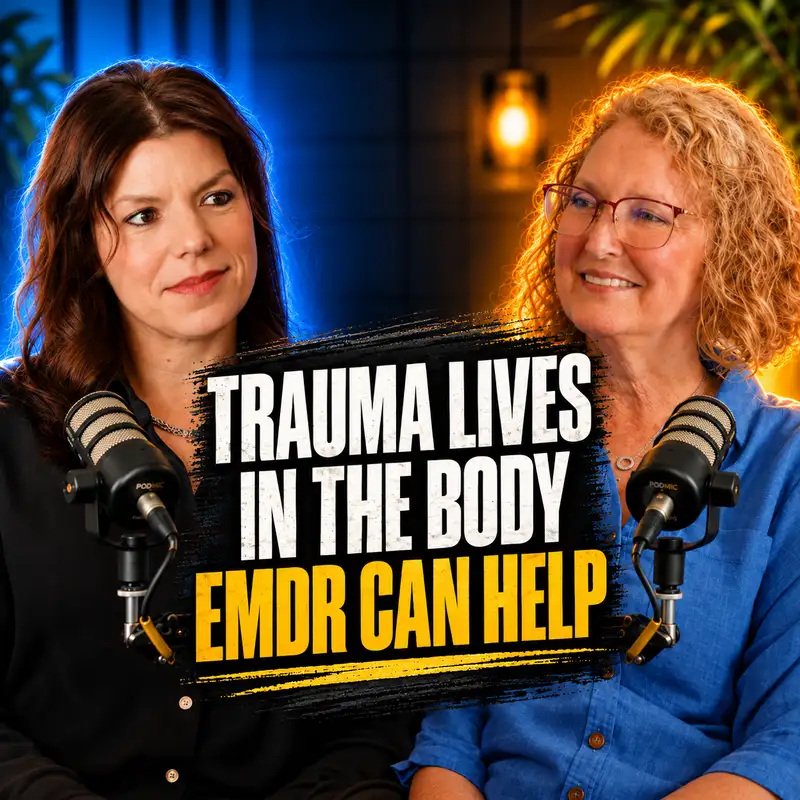
Trauma Lives in the Body: How EMDR Can Help
Trauma doesn’t always look like trauma. Sometimes it shows up as anxiety, panic attacks, headaches, stomach problems, hypervigilance, physical tension, or reactions to sounds, smells, places, and situations that seemingly come out of nowhere.
In this episode of Beyond the Window, we sit down with Norine Vander Hooven, LCSSW, trauma specialist, EMDR consultant, and owner of Westlake Trauma and Resilience, for an in-depth conversation about how unresolved experiences can continue to affect both the mind and the body.
Noren explains the difference between “big T” and “little t” trauma and why experiences that may have seemed like a normal part of childhood can continue influencing us years later. She breaks down EMDR, Eye Movement Desensitization and Reprocessing, including bilateral stimulation, resourcing, identifying root memories, processing negative beliefs, body scans, and what the healing process can actually feel like.
The conversation also explores how trauma can become connected to sensory triggers, why some people dissociate, how early attachment experiences may shape emotional responses, and why successful trauma treatment doesn’t necessarily mean forgetting what happened. Instead, the goal can be reaching a place where the memory no longer carries the same emotional or physical intensity.
We also move beyond individual therapy to discuss the emotional toll that trauma work can take on mental health professionals, including compassion fatigue, burnout, vicarious trauma, and the importance of meaningful self-care.
In this episode:
- How trauma can hide behind anxiety and panic
- “Big T” vs. “little t” trauma
- How trauma can show up physically in the body
- What EMDR is and how bilateral stimulation works
- The eight phases of EMDR therapy
- Identifying root memories and negative beliefs
- Trauma triggers involving sound, smell, touch, and environment
- Dissociation, stabilization, and resourcing
- Sand tray therapy and combining therapeutic approaches
- What successful trauma healing can look like
- Working with suicide loss and severe trauma
- Compassion fatigue and burnout among therapists
- Why therapists need their own support and self-care
- Training and mentoring the next generation of clinicians
- Healing retreats and creating space for mental health professionals to reset
Whether you’re navigating trauma yourself, supporting someone you love, or working in the mental health field, this conversation offers a deeper look at what healing can mean and why our experiences can remain in the body long after the immediate danger has passed.
Need support?
If you or someone you love is struggling with mental health challenges, trauma, or substance use, you don’t have to navigate it alone.
If you or someone you love is struggling with mental health challenges, trauma, or substance use, you don’t have to navigate it alone.
📞 For more details about our process at La Ventana, call (800) 560-8518. Real people answer 8 am–8 pm, seven days a week.
Beyond the Window Podcast | La Ventana Treatment Programs