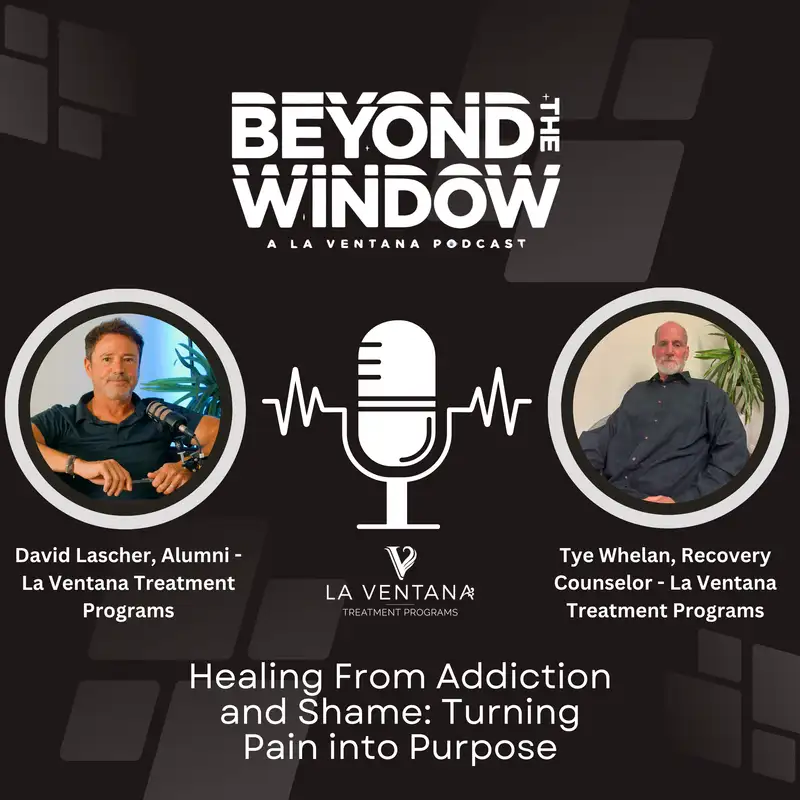
In this powerful episode of Beyond the Window, host David Lascher sits down with counselor and longtime recovery mentor Tye Whelen to explore what real change in recovery actually looks like.
David shares his journey of returning to sobriety after a relapse and how approaching recovery differently the second time led to a deeper transformation. Together, he and Ty break down the process of change through the 12 Steps, focusing especially on steps four through nine and the life-changing power of doing the work rather than just understanding it intellectually.
They discuss how unresolved shame, fear, and childhood experiences can shape addictive behaviors and how the inventory process helps uncover the underlying patterns that keep people stuck. Through honest conversation, they explore how writing things down, identifying character defects, and taking responsibility can create the awareness needed to heal.
The episode also dives into topics such as:
• Why real recovery requires a complete personality change
• The difference between intellectual understanding and lived experience in recovery
• How resentment, fear, and shame drive destructive patterns
• Why connection is the true antidote to addiction
• The role of heart-brain coherence and emotional healing in recovery
• How self-forgiveness, healthy boundaries, and self-care help repair the past
• Turning painful life experiences into purpose by helping others
• The difference between intellectual understanding and lived experience in recovery
• How resentment, fear, and shame drive destructive patterns
• Why connection is the true antidote to addiction
• The role of heart-brain coherence and emotional healing in recovery
• How self-forgiveness, healthy boundaries, and self-care help repair the past
• Turning painful life experiences into purpose by helping others
Tye explains how many of the struggles people face in addiction stem from deep, unresolved shame and insecure attachments, and how the recovery process allows individuals to rebuild healthy connections with themselves and others.
The conversation ultimately highlights one of the most powerful ideas in recovery: your past does not have to be your burden. It can become your greatest asset.
This episode is a thoughtful and honest look at what it really takes to change, heal, and build a meaningful life in sobriety.